-
Where to Buy the Best Hydraulic Vane Pumps for Your Business
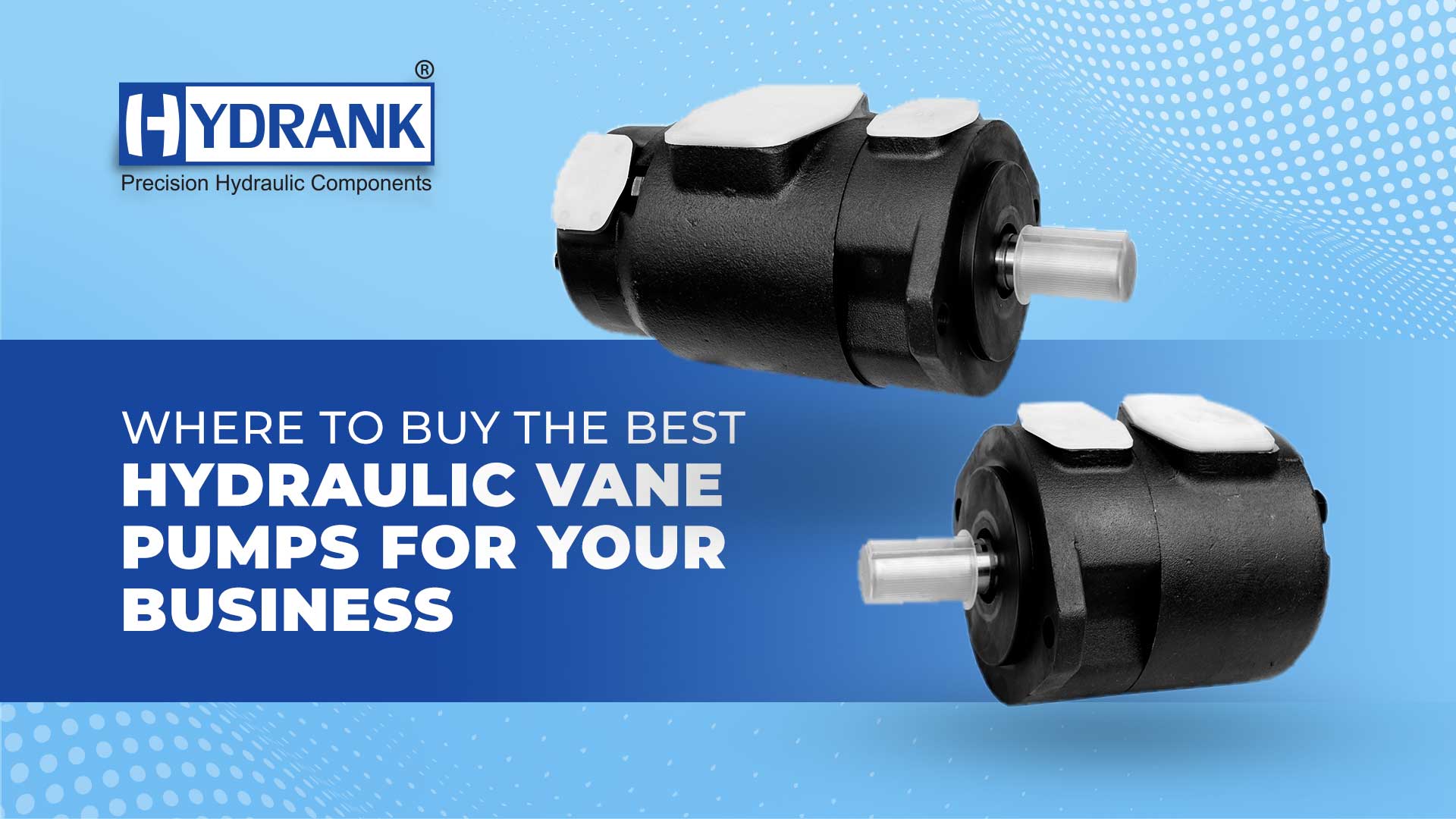
Choosing the right hydraulic vane pumps is not just a procurement decision; it directly affects system efficiency, operating cost, and equipment reliability. In many industrial setups, pump performance determines how smoothly a system runs, how much energy it consumes, and how often maintenance is required.
While vane pumps are widely used for their smooth flow and low noise, not all pumps in the market deliver the same level of performance. More importantly, not all suppliers understand how to match a pump to a real-world application.
If you are planning to buy hydraulic vane pump solutions for your business, the focus should not be on price alone. The right approach is to evaluate performance, application fit, and supplier capability.
Why Hydraulic Vane Pumps Are Widely Used in Industry
Before selecting a supplier, it is important to understand why industrial vane pumps are preferred in many hydraulic systems.
Vane pumps operate using a rotor with sliding vanes that move within a cam ring. This design allows for:
- Smooth, low-pulsation flow
- Consistent performance at varying speeds
- Lower noise compared to gear pumps
- Good efficiency in medium-pressure applications
These characteristics make vane pumps suitable for applications where stability and control are critical, such as machine tools, injection molding machines, and hydraulic power units.
However, the benefits of vane pumps depend heavily on quality and correct selection. Poorly manufactured pumps or incorrect sizing can quickly lead to noise, overheating, or reduced efficiency.
What to Look for Before You Buy a Hydraulic Vane Pump
When evaluating where to buy hydraulic vane pump solutions, it is essential to go beyond product specifications and consider how the pump will perform in your actual system.
1. Application Fit Matters More Than Specifications
A pump that meets pressure and flow requirements on paper may still underperform if it does not match system conditions.
Consider:
- Duty cycle (continuous or intermittent)
- Load variations
- Operating temperature
- Oil viscosity range
A reliable supplier will ask these questions before recommending a pump.
2. Build Quality and Internal Design
The performance of hydraulic vane pumps depends on internal precision. Key factors include:
- Quality of vane material
- Surface finish of cam ring
- Accuracy of rotor assembly
- Seal integrity
Poor internal design leads to higher leakage, noise, and reduced service life. This is where experienced hydraulic pump manufacturers differentiate themselves.
3. Pressure and Efficiency Balance
Vane pumps are typically used in medium-pressure systems, but many industrial applications demand consistent performance under varying loads.
A good pump should:
- Maintain stable pressure
- Deliver consistent flow
- Minimize internal leakage
- Avoid excessive heat generation
Efficiency is not just about energy savings—it directly affects component life and system reliability.
4. Availability of Spare Parts and Service Support
Even high-quality pumps require maintenance. Choosing the best hydraulic vane pump supplier means ensuring long-term support.
Check for:
- Availability of cartridge kits
- Seal kits and spare components
- Technical assistance for troubleshooting
- Quick turnaround time for replacements
Without proper support, even a good pump becomes a liability.
Where Most Businesses Go Wrong When Buying Pumps
Many businesses focus on cost or immediate availability when selecting a pump. While this may solve short-term needs, it often leads to higher operational costs later.
Common mistakes include:
- Choosing based on price rather than performance
- Ignoring system compatibility
- Using generic pumps for specialized applications
- Not considering long-term service support
These decisions often result in repeated failures, higher maintenance costs, and system inefficiency.
Why Supplier Expertise Is Critical
The difference between a standard supplier and a reliable one lies in technical understanding.
A competent supplier will:
- Evaluate your application in detail
- Recommend the correct pump type and configuration
- Ensure compatibility with existing systems
- Provide guidance during installation and operation
This approach reduces the risk of incorrect selection and improves long-term performance.
Choosing the Right Hydraulic Pump Manufacturer
When evaluating hydraulic pump manufacturers, consider not just the product but the engineering support behind it.
A reliable manufacturer or supplier should offer:
- Proven product performance in industrial applications
- Consistent manufacturing quality
- Application-based recommendations
- Technical documentation and support
Working with experienced manufacturers ensures that the pump performs as expected under real operating conditions.
Why Businesses Choose Shriank for Hydraulic Vane Pumps
At Shriank, the focus is not just on supplying industrial vane pumps, but on ensuring that each pump matches the application it is used in.
Instead of offering generic solutions, Shriank works with customers to understand:
- System requirements
- Operating conditions
- Performance expectations
This approach ensures that the selected hydraulic vane pumps deliver stable flow, efficient performance, and long service life.
With access to high-quality products and strong technical support, Shriank helps businesses reduce downtime, improve efficiency, and avoid repeated pump failures.
Conclusion – Buy Based on Performance, Not Just Availability
Finding where to buy the right hydraulic vane pumps is less about location and more about expertise. The best pump is not necessarily the most expensive or the most readily available; it is the one that fits your system perfectly.
A well-selected vane pump improves efficiency, reduces maintenance, and ensures stable operation over time. A poorly selected one does the opposite.
When you buy hydraulic vane pump solutions, focus on application fit, build quality, and supplier capability. With the right partner, such as Shriank, you are not just purchasing a product, but investing in long-term system performance.
India's Largest Hydraulic Vane Pump Supplier
contact us: +91 98980 09148

Subscribe to E-Mail Newsletters and Alerts
 submit

Delivery
Prompt and accurate delivery

Client Servicing
Pro after-sales customer support

Quality assurance
Top quality standards

Export
More then 10 countries