-
How to Choose the Right Internal Gear Pump Replacement
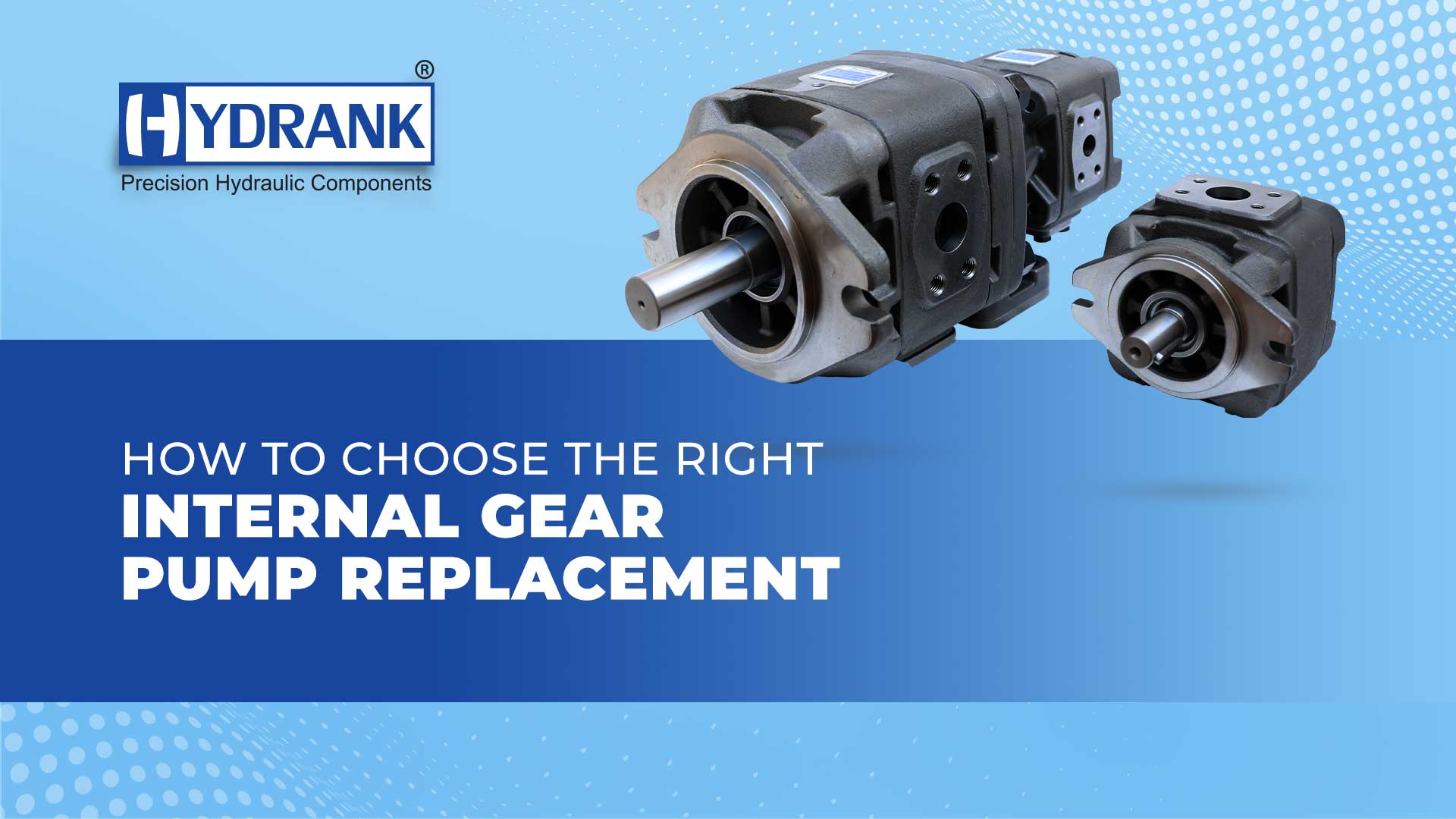
Hydraulic and fluid transfer systems rely on precision, efficiency, and reliability to keep industrial operations running smoothly. When an Internal Gear Pump reaches the end of its service life or no longer meets operational requirements, choosing the right replacement is essential. An incompatible pump can lead to reduced efficiency, increased wear, frequent downtime, and higher operating costs.
At Shriank, we help industries select high-quality hydraulic and fluid handling solutions that match their performance needs. Whether you’re replacing a worn-out pump or upgrading your existing system, understanding the key selection factors can help maximise equipment life and productivity.
Why Replacing an Internal Gear Pump Requires Careful Selection
An internal gear pump is a positive displacement pump designed to transfer fluids at a consistent flow rate. It is widely used in applications involving lubricating oils, fuels, chemicals, resins, adhesives, and other medium- to high-viscosity fluids.
While replacing a pump may seem straightforward, selecting a model based solely on dimensions or mounting style can create compatibility issues. Every pump is designed to operate within specific flow, pressure, and fluid parameters, making it important to evaluate the complete application before choosing a replacement.
Key Factors to Consider When Choosing an Internal Gear Pump Replacement
1. Identify the Required Flow Rate
Flow rate determines how much fluid the pump delivers over a given period. A replacement pump should provide the same—or application-specific—flow capacity as the original unit.
A pump with insufficient flow may reduce system performance, while excessive flow can increase energy consumption and place unnecessary stress on downstream components.
2. Check Operating Pressure
Every pump is designed to operate within a maximum pressure range. Before selecting a gear pump replacement, verify both the normal operating pressure and any peak pressure conditions within the system.
Choosing a pump with an inadequate pressure rating can lead to premature wear, seal failure, or unexpected equipment breakdown.
3. Consider Fluid Characteristics
The type of fluid being pumped significantly influences pump selection. Factors such as viscosity, temperature, lubricating properties, and chemical compatibility should all be evaluated.
For example, highly viscous fluids require different operating characteristics than low-viscosity liquids. Similarly, corrosive chemicals may require specialised materials for gears, seals, and housing to ensure long-term reliability.
4. Verify Mounting and Connection Compatibility
Even when performance specifications match, installation compatibility remains essential.
Check important mechanical details such as:
- Mounting configuration
- Shaft dimensions
- Rotation direction
- Port size and location
- Coupling arrangement
Selecting a pump with compatible dimensions reduces installation time and avoids costly system modifications.
5. Evaluate Material Construction
The operating environment plays a major role in determining the appropriate pump materials.
Depending on the application, components may be manufactured from cast iron, steel, stainless steel, or other specialised alloys. Choosing the right material improves resistance to corrosion, abrasion, temperature variations, and continuous operating loads.
6. Focus on Efficiency and Service Life
A replacement offers an opportunity to improve system performance rather than simply restoring it.
Modern industrial gear pump designs often feature tighter manufacturing tolerances, improved sealing technology, and enhanced wear resistance. These improvements can reduce energy consumption, minimise leakage, and extend maintenance intervals, resulting in lower overall operating costs.
Signs That It’s Time to Replace Your Internal Gear Pump
While regular maintenance can extend pump life, certain warning signs indicate replacement may be the more practical solution.
Common indicators include:
- Reduced flow or pressure
- Excessive vibration or unusual noise
- Internal leakage
- Frequent seal failures
- Increased power consumption
- Repeated maintenance requirements
- Visible wear on gears or housing
Ignoring these symptoms can affect the performance of the entire hydraulic or fluid transfer system.
Common Mistakes to Avoid
Many pump replacement issues result from overlooking critical operating conditions.
Some of the most common mistakes include:
- Selecting a pump based only on physical dimensions
- Ignoring the maximum operating pressure
- Overlooking fluid viscosity or temperature
- Choosing incompatible seal materials
- Assuming all internal gear pumps perform identically
- Purchasing based solely on price rather than lifecycle value
Taking a systematic approach helps prevent costly installation errors and improves long-term reliability.
Why Expert Guidance Matters
Every pumping application has unique operating requirements. Factors such as fluid properties, environmental conditions, duty cycle, and system design all influence the ideal replacement pump.
Working with experienced hydraulic professionals ensures the selected pump not only fits mechanically but also delivers the required efficiency, durability, and performance throughout its operating life.
Professional guidance can also identify opportunities to improve overall system efficiency through upgraded pump technology.
Choose the Right Partner for Reliable Pump Solutions
Replacing an Internal Gear Pump is more than a maintenance task—it is an opportunity to improve system performance, reduce operating costs, and enhance equipment reliability. Selecting the right pump requires careful evaluation of flow rate, pressure, fluid characteristics, material compatibility, and installation requirements.
At Shriank, we provide dependable hydraulic and fluid handling solutions designed to meet the demands of diverse industrial applications. Our product range includes high-performance gear pumps and hydraulic components backed by technical expertise to help customers choose the right solution for their operational needs.
Whether you’re looking for a direct gear pump replacement or planning to upgrade your existing pumping system, Shriank delivers quality products and expert support that help industries operate with greater efficiency, reliability, and confidence.
India's Largest Hydraulic Vane Pump Supplier
contact us: +91 98980 09148

Subscribe to E-Mail Newsletters and Alerts
 submit

Delivery
Prompt and accurate delivery

Client Servicing
Pro after-sales customer support

Quality assurance
Top quality standards

Export
More then 10 countries