-
A Step-by-Step Guide to Installing a Hydraulic Pump
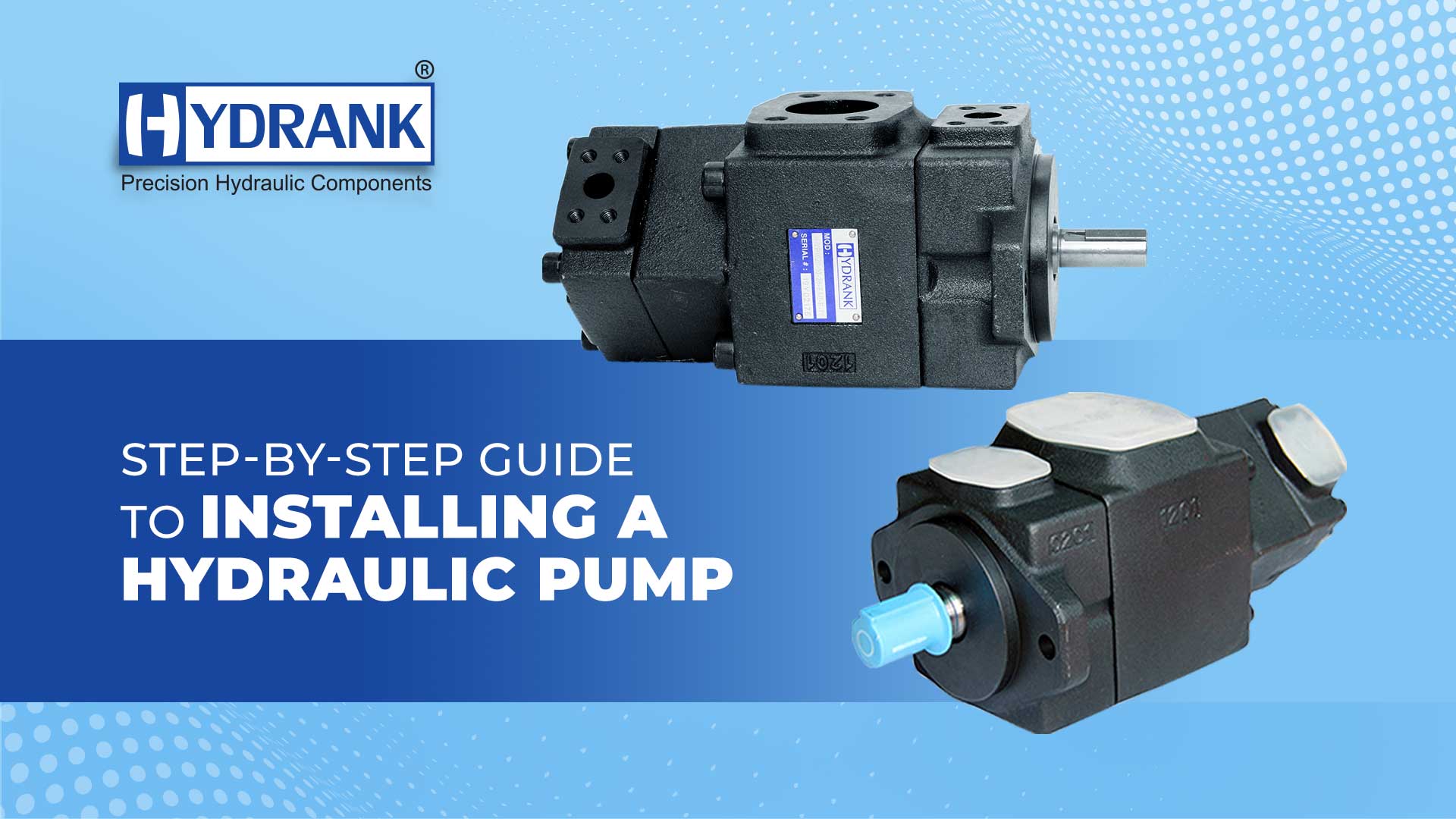
Installing a hydraulic pump is not just a mechanical task. A pump may be correctly sized and manufactured, yet still fail early if installation is done carelessly. Many problems blamed on pump quality actually begin with alignment issues, contamination, improper priming, or incorrect pressure settings during startup.
A proper hydraulic pump installation guide should focus on real conditions in the field, not only on theoretical instructions. When installed correctly, a hydraulic pump runs smoothly, maintains pressure stability, and delivers long service life. When installed incorrectly, even a heavy-duty pump can overheat, leak, or fail within hours.
This guide explains the correct step-by-step process for installing a hydraulic pump, along with practical checks that help avoid common failures.
Step 1 – Verify Pump Specifications Before Installation
Before mounting the pump, confirm that the selected model matches the system requirements. Installing the wrong pump is more common than expected, especially during replacement work.
Check the following:
- Rated pressure range
- Flow capacity
- Rotation direction
- Shaft type and mounting flange
- Port size and location
Step 2 – Inspect the Mounting Surface and Coupling
A hydraulic pump must be mounted on a clean, flat, and rigid surface. Uneven mounting causes shaft misalignment, which leads to bearing wear and seal damage.
Before installation:
- Clean the mounting plate
- Remove rust, dirt, or old gasket material
- Check for burrs or surface damage
- Ensure mounting bolts fit correctly
Coupling alignment is equally important. Misalignment between the pump shaft and motor shaft creates side load on bearings, which is one of the most common causes of early pump failure.
Always check:
- Angular alignment
- Parallel alignment
- Coupling clearance
Never force the pump into position using bolts. If the pump does not sit naturally, alignment is incorrect.
Step 3 – Flush the Hydraulic System Before Connecting the Pump
Many new pumps fail because contamination is already present in the system. Metal particles, old oil residue, or dirt inside the lines can damage internal components immediately after startup.
Before connecting the pump:
- Flush the hydraulic tank
- Clean suction and return lines
- Replace filters if needed
- Check that the reservoir is free of debris
Step 4 – Check the Suction Line Carefully
The suction line must allow oil to reach the pump without restriction. If the pump cannot receive enough oil, cavitation occurs, causing noise, vibration, and internal damage.
During installation, check:
- Suction hose diameter
- Tightness of all fittings
- Absence of air leaks
- Clean strainer or suction filter
- Proper oil level in the tank
Step 5 – Fill and Prime the Pump Before Startup
A hydraulic pump should never be started dry. Running without oil, even for a few seconds, can damage internal surfaces.
Before startup:
- Fill the pump housing with clean hydraulic oil
- Ensure the suction line is full
- Open any priming ports if provided
- Rotate the pump by hand if possible
Priming allows lubrication to reach internal parts before full load is applied. This step is critical for vane pumps, gear pumps, and piston pumps.
Step 6 – Set the Pressure Relief Valve Before Running
Before starting the system, make sure the pressure relief valve is set correctly. Starting a pump against a closed or high-pressure circuit can cause immediate damage.
Adjust the relief valve to a safe level before startup, usually below normal operating pressure. Once the pump is running and oil is circulating, pressure can be adjusted gradually.
Proper pressure setting prevents:
- Pump overload
- Seal failure
- Excess heat generation
- Sudden hose rupture
Correct pressure control is a key part of safe hydraulic pump installation.
Step 7 – Start the Pump Slowly and Check for Problems
The first startup should always be done carefully. Do not run the pump at full speed immediately.
During initial operation:
- Run the pump at low speed if possible
- Check for leaks
- Listen for unusual noise
- Watch pressure gauge readings
- Monitor oil flow to actuators
If the pump makes loud whining or knocking sounds, stop immediately and check the suction line and alignment.
Early inspection prevents small issues from becoming serious failures.
Step 8 – Monitor Temperature and Pressure During Initial Operation
After installation, the pump should be observed during the first hours of operation.
Check:
- Oil temperature
- Pressure stability
- Noise level
- Vibration
- Oil foaming in the tank
High temperature usually indicates restriction, incorrect pressure setting, or internal leakage.
Stable pressure and smooth sound are signs that the pump is installed correctly.
Step 9 – Follow Regular Inspection After Installation
Even after successful installation, regular inspection is necessary to maintain performance.
Recommended checks include:
- Bolt tightness
- Coupling condition
- Filter cleanliness
- Oil level and quality
- Pressure setting
Preventive inspection helps detect problems before they damage the pump.
At Shriank, installation guidelines always include post-startup inspection because many failures occur after the system begins normal operation.
Conclusion – Correct Installation Is as Important as Pump Quality
A hydraulic pump is designed to handle pressure, load, and continuous operation, but only if it is installed correctly. Most early pump failures are not caused by manufacturing defects, but by misalignment, contamination, improper priming, or incorrect pressure settings.
Following a proper hydraulic pump installation guide ensures smooth startup, stable pressure, and long service life. Careful installation also improves safety and reduces maintenance costs.
At Shriank, every hydraulic pump is supplied with application-based guidance, because correct installation is the first step toward reliable performance in any hydraulic system.
India's Largest Hydraulic Vane Pump Supplier
contact us: +91 98980 09148

Subscribe to E-Mail Newsletters and Alerts
 submit

Delivery
Prompt and accurate delivery

Client Servicing
Pro after-sales customer support

Quality assurance
Top quality standards

Export
More then 10 countries