-
Eckerle Internal Gear Pump Parts and Their Role in Hydraulic Systems
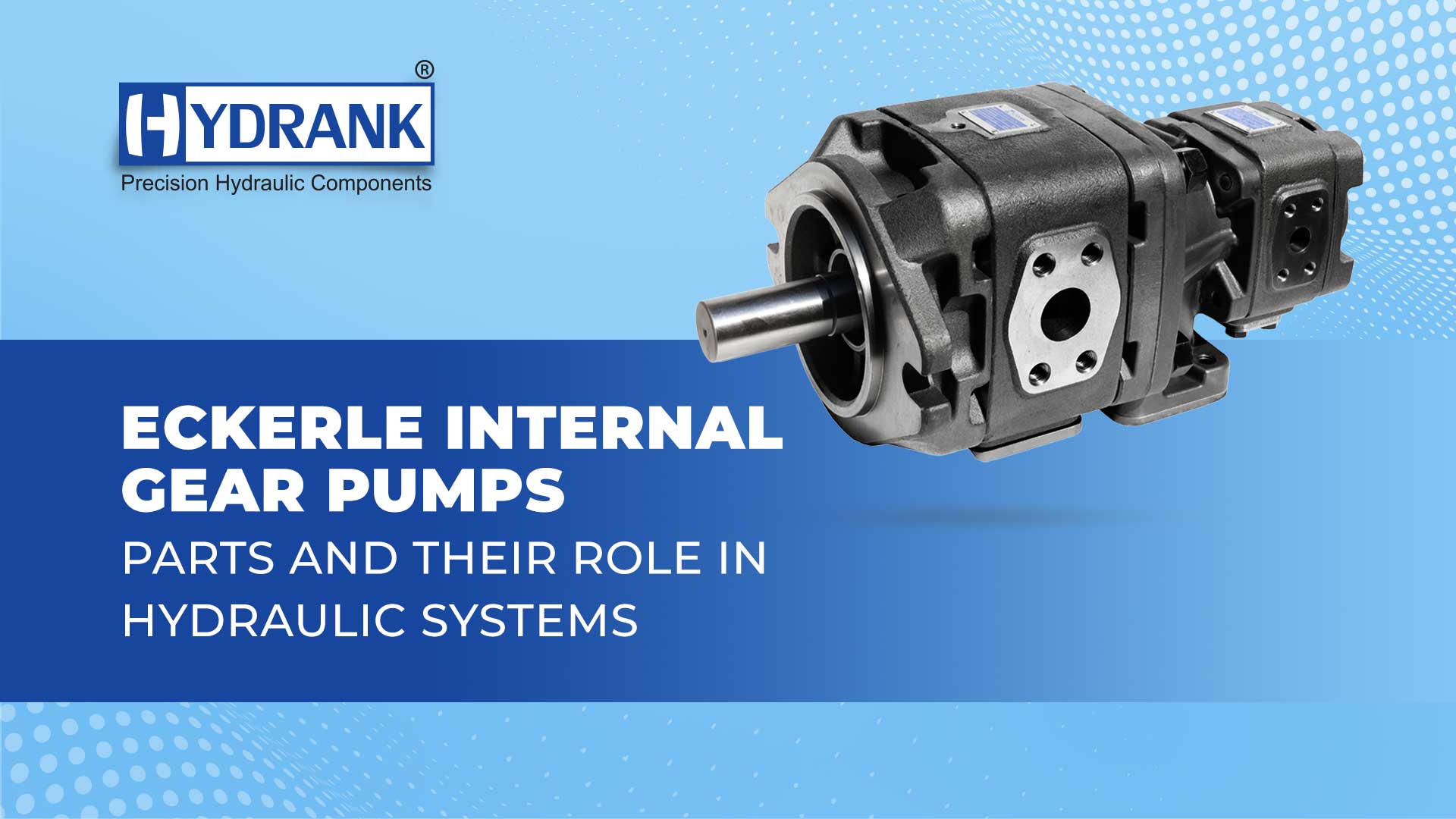
In hydraulic systems, pump performance is often judged by flow, pressure, and efficiency. However, these outcomes depend entirely on the components working inside the pump. Every gear, bearing, seal, and wear surface plays a role in determining how reliably the pump performs under load.
The Eckerle Internal Gear Pump is widely used in industrial hydraulic applications for its smooth flow characteristics, high efficiency, and reliable operation under demanding conditions. Understanding its key components helps engineers, maintenance teams, and equipment owners improve performance, troubleshoot issues faster, and extend pump life.
This article explores the major parts of an Eckerle internal gear pump and explains how each contributes to overall hydraulic system performance.
Understanding the Internal Gear Pump Working Principle
To understand the role of individual components, it is important to first understand the basics of internal gear pump working.
An internal gear pump uses two gears positioned inside one another: an inner drive gear and an outer internally toothed gear. As these gears rotate, chambers between the teeth expand and contract, drawing hydraulic oil into the pump and then forcing it toward the outlet under pressure.
A crescent-shaped separator divides the suction and discharge sides, ensuring efficient fluid movement and preventing backflow.
This design allows internal gear pumps to deliver smooth, continuous flow with minimal pulsation, making them suitable for demanding hydraulic systems.
Inner Drive Gear: The Power Transmission Element
The inner drive gear is directly connected to the pump shaft and serves as the primary driving component.
Its main functions include:
- Transferring mechanical energy into hydraulic movement
- Driving the outer gear during rotation
- Creating the displacement chambers that move fluid through the pump
The accuracy of the drive gear directly affects pump efficiency. Excessive wear can increase internal leakage, reduce pressure stability, and impact overall system performance.
Outer Internal Gear: Supporting Flow Generation
The outer gear rotates in synchronization with the inner gear and helps create the sealed chambers required for fluid displacement.
Its role includes:
- Supporting continuous fluid transport
- Maintaining consistent flow characteristics
- Helping achieve stable pressure output
The interaction between the inner and outer gears is what allows an Eckerle Internal Gear Pump to deliver smooth and predictable hydraulic performance, even under varying load conditions.
Crescent Element: The Critical Separator
One of the defining features of an internal gear pump is the crescent-shaped separator located between the gears.
Although simple in appearance, this component performs a critical function by:
- Separating the suction and pressure zones
- Preventing internal fluid recirculation
- Maintaining volumetric efficiency
Without the crescent element, fluid would flow back toward the inlet side, reducing pressure generation and pump efficiency.
Bearings: Ensuring Smooth and Stable Operation
Bearings support the rotating assembly and help maintain precise alignment between internal components.
In high-pressure environments, bearings are responsible for:
- Reducing friction during operation
- Supporting rotational loads
- Maintaining shaft stability
- Minimizing vibration
Worn bearings often result in increased noise, vibration, and reduced pump efficiency. Regular inspection is important to prevent secondary damage to gears and other internal components.
Side Plates and Wear Plates
Side plates are essential for maintaining internal sealing and minimizing leakage between rotating components.
Their functions include:
- Maintaining pressure integrity
- Reducing internal leakage
- Protecting critical surfaces from wear
- Supporting overall pump efficiency
Over time, wear plates absorb much of the friction generated during operation. Proper clearances between gears and wear surfaces are critical for maintaining consistent pump performance.
Sealing Components and Pressure Retention
Effective sealing is essential for any hydraulic pump.
Within an Eckerle Internal Gear Pump, seals help:
- Prevent external oil leakage
- Keep contaminants out of the system
- Maintain pressure stability
- Improve overall efficiency
Damaged seals can lead to oil loss, air ingress, and inconsistent hydraulic performance. Regular inspection of sealing components is an important part of preventive maintenance.
Why Component Quality Matters in High-Pressure Systems
A high-pressure hydraulic pump operates under conditions where internal tolerances become increasingly important.
Even minor wear or manufacturing inaccuracies can result in:
- Increased leakage
- Reduced efficiency
- Higher operating temperatures
- Premature component failure
This is why precision manufacturing and component quality play such a significant role in the performance of internal gear pumps.
For applications operating continuously or under heavy loads, high-quality components directly contribute to longer service life and lower maintenance costs.
Gear Pump Maintenance: Protecting Long-Term Performance
Even the best-designed pump requires proper maintenance to perform reliably.
Effective gear pump maintenance should include:
- Monitoring operating pressure
- Checking for unusual vibration or noise
- Inspecting seals for leakage
- Maintaining clean hydraulic oil
- Replacing filters at recommended intervals
Many major pump failures begin as minor wear issues that go unnoticed. Routine inspection helps identify problems early and prevents costly downtime.
Common Hydraulic Pump Applications
The smooth flow and pressure stability offered by internal gear pumps make them suitable for a wide range of hydraulic pump applications, including:
- Injection molding machines
- Hydraulic presses
- Machine tools
- Industrial power units
- Material handling equipment
- Mobile hydraulic systems
In these applications, stable flow and consistent pressure are critical to maintaining productivity and equipment reliability.
How Shriank Supports Internal Gear Pump Users
At Shriank, we understand that reliable hydraulic performance depends on more than simply supplying a pump. The quality of components, correct pump selection, and proper maintenance all play a role in achieving long-term system reliability.
We support customers with application-specific guidance, replacement solutions, and technical expertise for internal gear pump systems operating in demanding industrial environments.
Whether the requirement is a new pump, replacement components, or assistance with system performance, our focus remains the same: helping customers improve efficiency, reduce downtime, and maximize equipment life.
Conclusion
The performance of an Eckerle Internal Gear Pump is the result of multiple precision-engineered components working together to generate flow, maintain pressure, and deliver reliable hydraulic power. From the inner and outer gears to bearings, seals, wear plates, and the crescent element, every component contributes to overall system efficiency and durability.
At Shriank, we help industries get the most from their hydraulic systems by providing reliable internal gear pump solutions backed by technical expertise and application-focused support. By understanding how these components function and maintaining them properly, businesses can improve performance, extend pump life, and reduce long-term operating costs.
India's Largest Hydraulic Vane Pump Supplier
contact us: +91 98980 09148

Subscribe to E-Mail Newsletters and Alerts
 submit

Delivery
Prompt and accurate delivery

Client Servicing
Pro after-sales customer support

Quality assurance
Top quality standards

Export
More then 10 countries