-
What is a Hydraulic Vane Pump? Working Principle, Types, Applications & Benefits
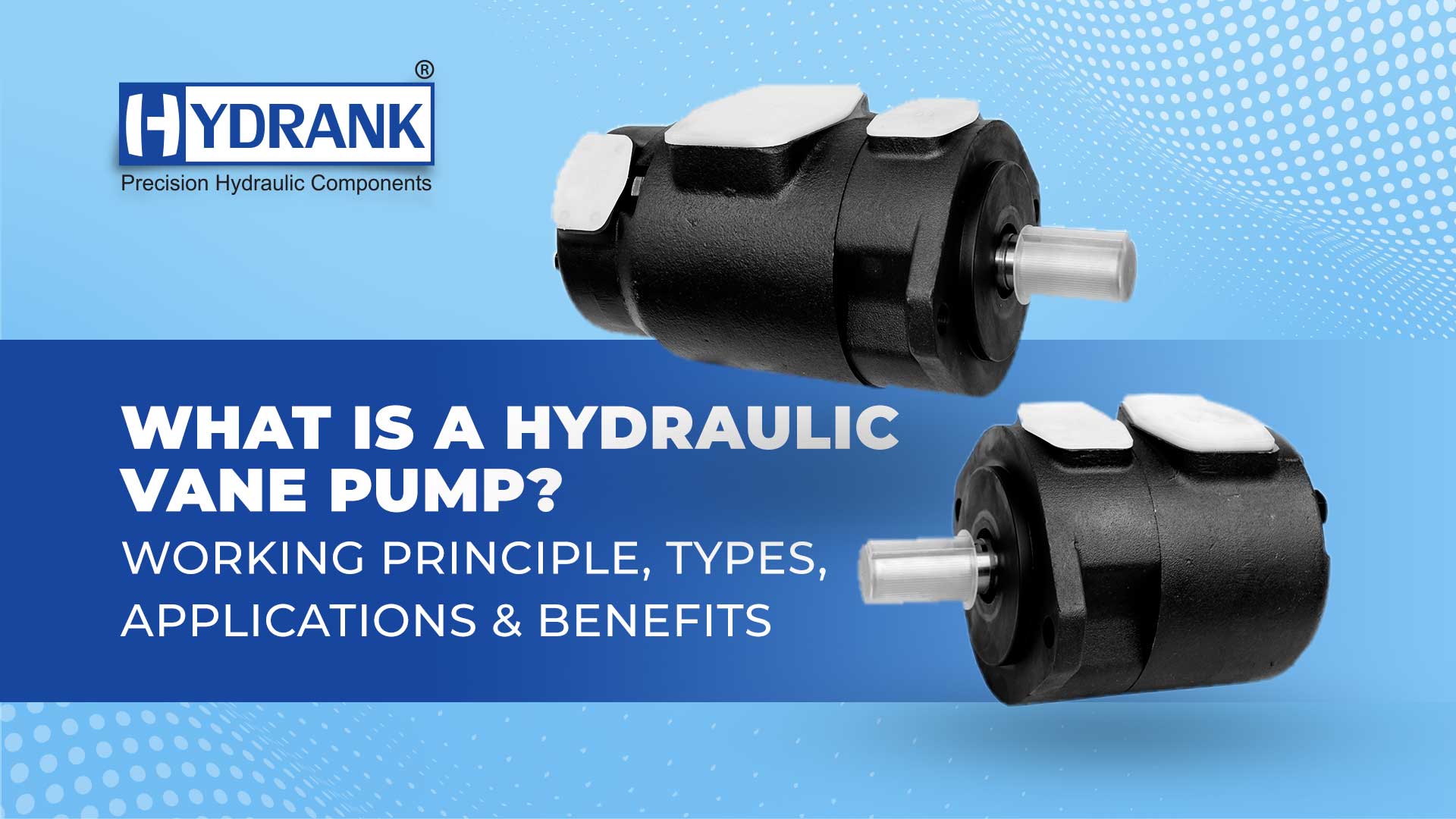
Hydraulic systems power a wide range of industrial machinery, from manufacturing equipment and construction machines to automation systems. Among the many pump technologies available, the Hydraulic Vane Pump is known for delivering smooth fluid flow, quiet operation, and dependable performance.
At Shriank, we help industries optimise their hydraulic operations with reliable, high-quality hydraulic components that are designed for efficiency and long service life. Choosing the right pump is critical to improving system performance, reducing downtime, and lowering maintenance costs. This guide explains what a hydraulic vane pump is, how it works, its different types, key applications, and the advantages that make it a preferred choice across industries.
What is a Hydraulic Vane Pump?
A Hydraulic Vane Pump is a positive displacement hydraulic pump system that converts mechanical energy into hydraulic energy by moving fluid through a series of sliding vanes mounted inside a rotating rotor.
As the rotor turns, centrifugal force and hydraulic pressure push the vanes outward so they remain in contact with the cam ring. This creates sealed chambers that draw hydraulic fluid into the pump and discharge it under pressure. Unlike gear pumps, which rely on interlocking gears, or piston pumps that use reciprocating pistons, a vane pump provides a smoother and more consistent flow with minimal pulsation.
Working Principle of a Hydraulic Vane Pump
The pump consists of a rotor placed slightly off-centre inside a cam ring. Several vanes fit into slots around the rotor and move in and out as it rotates.
Its operation follows four simple stages:
- Fluid Intake: As the rotor turns, the space between the rotor and cam ring increases on the inlet side, creating a vacuum that draws hydraulic oil into the pump.
- Fluid Trapping: The vanes trap the fluid between adjacent vanes and the housing.
- Compression: As the rotor continues rotating, the chamber volume decreases, compressing the trapped fluid.
- Fluid Discharge: The pressurised hydraulic fluid exits through the outlet and flows into the hydraulic circuit.
This continuous cycle ensures steady pressure, reliable performance, and efficient energy transfer.
Types of Hydraulic Vane Pumps
Different industrial applications require different pump configurations.
Unbalanced Vane Pump
This design has a single inlet and outlet, with hydraulic forces acting unevenly on the rotor. It is commonly used in low to medium-pressure applications where a compact and economical solution is required.
Balanced Vane Pump
Balanced vane pumps feature two inlet and two outlet ports positioned opposite each other, balancing hydraulic forces within the pump. This reduces bearing loads, improves efficiency, and supports higher operating pressures, making them suitable for demanding industrial applications.
Variable Displacement Vane Pump
These pumps automatically adjust their output flow by changing the position of the cam ring based on system demand. This improves energy efficiency, reduces heat generation, and helps lower operating costs in applications with varying load conditions.
Applications of Hydraulic Vane Pumps
The versatility of hydraulic vane pumps makes them suitable for numerous industrial sectors. Common applications include:
- Injection moulding machines
- CNC machining centres
- Press and stamping machines
- Material handling equipment
- Packaging machinery
- Plastic processing equipment
- Agricultural machinery
- Industrial automation systems
- Die casting machines
Their ability to deliver stable hydraulic pressure makes them ideal for equipment that requires smooth and precise motion.
Benefits of Using a Hydraulic Vane Pump
Smooth Flow Performance
The design of a hydraulic vane pump delivers continuous fluid flow with minimal pulsation, improving machine accuracy and reducing vibration.
Low Noise Operation
Compared to many other pump designs, vane pumps operate quietly, making them well suited for manufacturing environments where noise reduction is important.
High Efficiency
Reduced internal leakage enables better volumetric efficiency, helping maintain consistent hydraulic performance while reducing energy losses.
Compact and Easy to Maintain
Hydraulic vane pumps offer excellent performance in a compact design. Many models include replaceable vanes, simplifying maintenance and reducing downtime.
Versatile Industrial Use
Whether installed in production machinery or mobile equipment, a quality industrial hydraulic pump built on vane technology provides reliable performance across a wide range of operating conditions.
Choosing the Right Hydraulic Vane Pump
Selecting the right pump involves evaluating several factors, including operating pressure, required flow rate, fluid compatibility, rotational speed, installation space, and duty cycle.
Matching the pump to the application’s requirements improves efficiency, extends component life, and ensures consistent performance throughout the hydraulic system.
Why Choose Shriank for Hydraulic Solutions?
A high-performing hydraulic system depends on both the quality of its components and expert technical support. At Shriank, we supply dependable hydraulic pumps, motors, valves, cylinders, and related solutions that meet the demands of modern industries.
Whether you need a reliable Hydraulic Vane Pump for a new installation or want to upgrade an existing hydraulic pump system, our team helps you identify the right solution based on your application’s pressure, flow, and performance requirements. With a strong commitment to quality, technical expertise, and customer satisfaction, Shriank continues to be a trusted partner for businesses seeking durable and efficient hydraulic solutions.
India's Largest Hydraulic Vane Pump Supplier
contact us: +91 98980 09148

Subscribe to E-Mail Newsletters and Alerts
 submit

Delivery
Prompt and accurate delivery

Client Servicing
Pro after-sales customer support

Quality assurance
Top quality standards

Export
More then 10 countries